






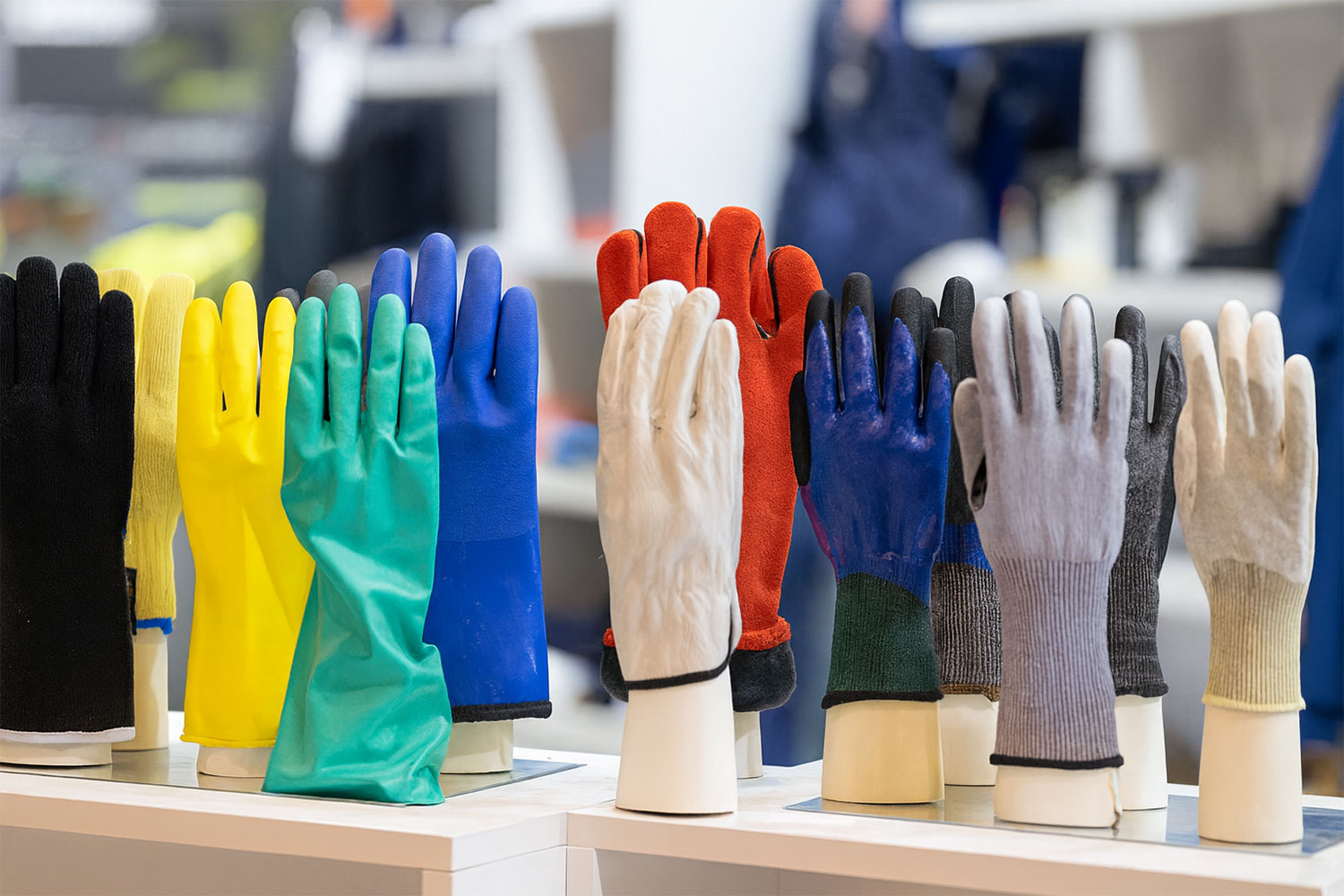
How to Choose the Right Gloves for Your Industry
Choosing the right gloves for your industry is more than just picking a pair off the shelf. Gloves protect your hands from injuries, improve productivity, and ensure compliance with workplace safety standards. Whether you’re in manufacturing, construction, tactical operations, or general utility work, the right gloves can make all the difference. Selecting the correct gloves not only safeguards employees but also reduces workplace accidents and equipment damage. In this guide, we’ll walk you through the key factors to consider and help you match your needs to Garmor Corporation’s wide range of products.
1. Identify Your Industry Needs
Before buying gloves, it’s critical to analyze the specific hazards of your industry. Each type of work exposes employees to unique risks that must be mitigated with appropriate hand protection. For example, industrial and manufacturing jobs often involve sharp edges, moving machinery, and chemicals. Construction work may require impact-resistant gloves and puncture protection. Tactical or security industries need gloves that provide both dexterity and grip, while multi-purpose or general utility tasks require comfortable gloves suitable for various applications. Understanding the daily challenges workers face ensures you select gloves that maximize safety and efficiency.
Key considerations:
- Industrial/Manufacturing: Exposure to cuts, abrasions, heat, or chemicals.
- Construction & Heavy-Duty Work: Need for impact, puncture resistance, and durability.
- Tactical/Security: Grip, dexterity, and tactical performance.
- Multi-Purpose/General Utility: Flexibility and comfort for a variety of tasks.
2. Know the Types of Gloves
Gloves come in many types, each designed for specific applications. Garmor Corporation offers a range of gloves suited for diverse industries, ensuring that every user can find a suitable option. Understanding glove types helps prevent injuries, improve comfort, and enhance worker productivity. Selecting the wrong glove type can lead to hand injuries, reduce efficiency, and even cause accidents in high-risk environments. Evaluate the type of work, level of protection required, and comfort before making a choice.
Popular Garmor glove categories:
- Medium-Duty Gloves: Ideal for general industrial work, light handling, and non-extreme environments. They offer protection without restricting hand movement.
- Leather Utility Gloves: Durable, versatile gloves for heavy-duty tasks like welding, carpentry, and material handling. They combine flexibility and strength.
- Tactical/Impact Gloves: Designed for security, military, and emergency responders. They provide excellent grip, impact protection, and dexterity.
- Multi-Purpose Gloves: Comfortable and lightweight, suitable for everyday industrial, workshop, or general handling tasks.
3. Consider Safety Standards
Gloves must meet recognized safety standards to ensure maximum protection. These standards are set by organizations such as EN388, ANSI/ISEA, or OSHA, depending on your location. Cut resistance, impact protection, and chemical resistance are all tested under these standards. Using certified gloves reduces the risk of workplace accidents and ensures compliance with legal requirements. Investing in gloves that meet industry standards is not just a safety measure but also a strategic move for businesses, reducing liability and potential injury costs.
Safety considerations:
- Cut resistance: Look for EN388 or ANSI/ISEA ratings for cut protection.
- Impact protection: Gloves with reinforced palms or padding reduce injury from blunt forces.
- Chemical resistance: Vital for labs, cleaning, or chemical-handling jobs to prevent skin damage.
- Compliance: Certified gloves help meet OSHA or other local workplace safety regulations.
4. Size and Fit
A proper glove fit is crucial for both safety and comfort. Gloves that are too tight can restrict circulation and hand movement, while gloves that are too loose can reduce grip and precision. Workers performing delicate tasks, such as assembly or equipment handling, need snug gloves for dexterity, whereas heavy-duty work may require thicker gloves that protect against cuts and abrasions. Always measure the hand, considering both length and width, and choose a glove that fits comfortably without compromising protection. Garmor gloves are available in multiple sizes to ensure a secure and comfortable fit for all workers.
Tips for sizing:
- Measure hand length from wrist to the tip of the middle finger.
- Consider hand width for proper palm coverage.
- Try sample gloves before bulk purchase to verify comfort.
- Ensure gloves allow full range of motion for the specific task.
5. Material Matters
The material of gloves significantly impacts durability, flexibility, and protection. Different tasks require different materials: leather, synthetic fabrics, and coated gloves each serve unique purposes. Leather gloves are excellent for heavy-duty tasks and heat resistance. Synthetic fabrics like nylon or polyester offer lightweight cut protection and breathability. Coated gloves provide enhanced grip and chemical resistance. Choosing the correct material ensures optimal protection, durability, and performance, preventing injuries and improving efficiency.
Material types:
- Leather: Durable, heat-resistant, ideal for welding and construction.
- Synthetic fabrics (nylon, polyester): Lightweight, flexible, cut-resistant for general handling.
- Coated gloves (PVC, PU, nitrile): Added grip, water resistance, and chemical protection.
- Specialty materials: Kevlar or other high-performance fibers for extreme cut resistance.
6. Durability and Cost
While cost is an important factor, prioritizing cheap gloves can result in frequent replacements and potential safety hazards. Investing in durable gloves reduces long-term costs and enhances worker safety. Garmor gloves are manufactured to high standards, ensuring that medium-duty, leather, and impact-resistant gloves provide long-lasting performance. Durable gloves maintain their protective properties even under harsh conditions, reducing workplace accidents and improving overall productivity.
Considerations for durability:
- Check material quality and stitching.
- Look for reinforced areas in high-wear zones.
- Evaluate glove lifespan under your specific working conditions.
- Compare long-term cost versus frequent replacements.
7. Maintenance and Hygiene
Proper maintenance ensures gloves last longer and continue to provide protection. Some gloves are reusable and can be washed, while others are disposable and meant for single-use. Industries such as food processing, healthcare, or chemical handling require strict hygiene standards. Following recommended cleaning, drying, and storage practices extends glove life and maintains safety standards. Selecting the right glove type and maintaining it properly can significantly reduce costs and prevent workplace contamination.
Maintenance tips:
- Follow manufacturer cleaning instructions.
- Store gloves in a dry, ventilated area.
- Regularly inspect for tears or wear.
- Replace disposable gloves immediately after use.